

Barcelona, 26 de marzo del 2013.- La cadena estadounidense asegura en un reportaje que pese a la dificil situación económica general del país, el sector automovilístico está resurgiendo en España. Se centran en el acuerdo de Nissan que aseguran incluye algo “radical”: contratar gente. Y lo achacan a que España, a diferencia de Francia, Alemania, Reino Unido o Italia, ha adaptado sus costes laborales a la crisis.
CNN dice: “En España, desde el dolor y la adversidad económica, las oportunidades están emergiendo. El país está en una profunda recesión y el desempleo se sitúa en un doloroso 26%. Pero hay signos de un resurgir, al menos en la industria automóvil. Ford, Renault y Volkswagen han decidido ampliar su producción en España por su costes laborales más baratos. Y el fabricante japones Nissan también se está expandiendo, y además está haciendo algo bastante radical: está contratando.”
“El texto recoge el acuerdo de Nissan Barcelona para producir 80.000 coches y crear 1.000 puestos de trabajo directos y apunta: “El acuerdo no habría sido posible si Nissan no hubiera negociado nuevas condiciones de trabajo con los sindicatos españoles. Acordaron limitar los aumentos salariales y dar a la compañía mayor flexibilidad con su mano de obra temporal. La diferencia, aunque no lo crean, es bastante sustancial.”
Y añaden: “Según la OCDE, los costes laborales en España han caído casi un 5% entre 2009 y 2012. En ese mismo período, Francia -donde los costos laborales son un tema contencioso- ha visto aumentar sus gastos en un 4,3%. Alemania, en comparación los ha aumentado un 1,9%. Ni siquiera Italia, donde los costos se han incrementado un 2,7% o Reino Unido con un alza del 2,2%, se han adaptado a los tiempos económicos difíciles.”
Vea el Vídeo en: http://www.cnn.com/video/data/2.0/video/business/2013/02/28/marketplace-europe-nissan-spain.cnn.html
(CNN) — In Spain, out of economic pain and adversity, opportunity is emerging.
The country is in a deep recession and unemployment sits at a painful 26%. But there are signs of a comeback — in the auto industry, at least.Ford, Renault and Volkswagen have all decided to expand production in Spain because of cheaper labor costs.Japanese automaker Nissan is also expanding, but it’s also doing something else quite radical: it’s hiring.
Read more: Cornish pasties filling hunger for jobs
This month, Nissan Barcelona received $178 million dollars in investment to produce 80,000 cars. The deal will help create 1,000 direct and 3,000 indirect jobs.This agreement would not have been possible had it not been for Nissan’s negotiation of new working practices with Spanish trade unions.
Read more: Diageo: Europe must be more competitive
Nissan struck an agreement with the unions, limiting wage increases and giving the company more flexibility with its temporary workforce. The difference, believe it or not, is quite substantial.According to the OECD, Spain’s labor costs have dropped almost 5% percent from 2009 to 2012.In that same period, France — where labor costs are a contentious issue — has seen its costs increase by 4.3%. Germany’s, comparatively, have increased 1.9%. Even Italy, where costs have risen 2.7%, and the UK, up 2.2%, haven’t adapted to the tough economic times.
Read more: Could emerging markets be Lindt’s new sweet spot?
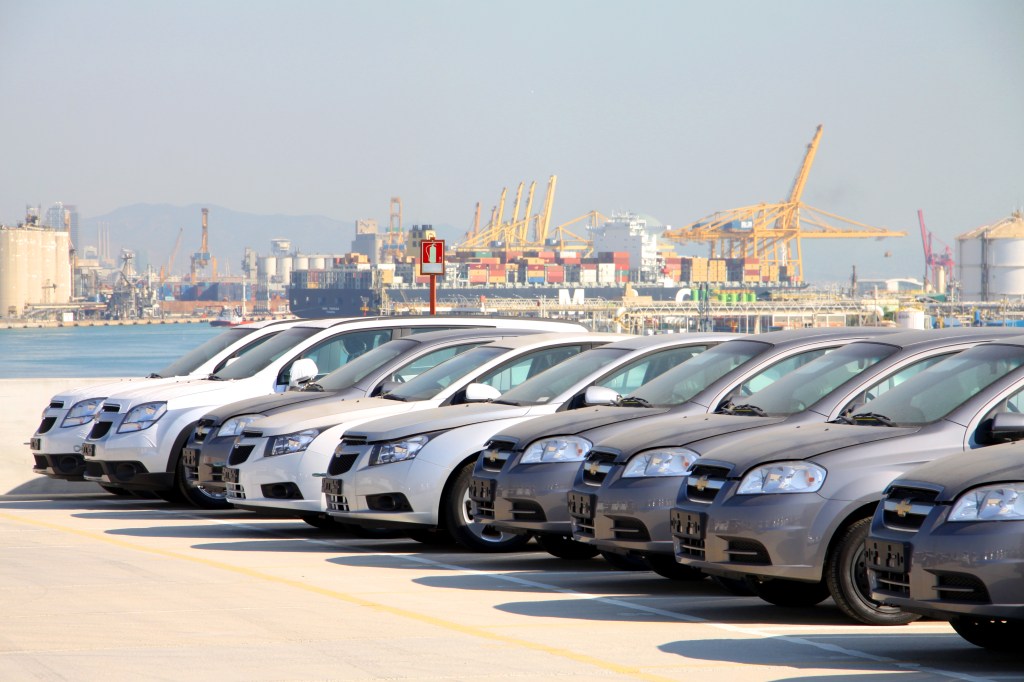
Frank Torres, director general of Nissan Motor Iberica, told CNN lowering labor costs were an achievement for Nissan Barcelona and for Spain itself — making it an increasingly competitive location for manufacturing and exporting cars.But labor market reforms are not enough to make Nissan Barcelona competitive on the global stage.Torres said the company needed to make logistical savings to stand out from other automakers and Nissan manufacturing hubs, it needed to make savings on the ground.That’s exactly what it did.It now has twenty key suppliers under their roof and a port less than five minutes away from their doorstep.It’s this logistical innovation that has enabled Nissan Barcelona to cut costs by as much as 30%; and for an industry that accounts for 10% of Spain’s industry, this is a crucial part of Spain’s long haul to recovery.
 SETRAM: Expertos en Logística Automoción Vehículo Terminado
You must be logged in to post a comment.